
Mental Wealth
There’s more to you than The Version That Works.
Lauren Polly is a speaker, bestselling multi-award-winning author, and speech-language pathologist exploring the ways we learn to show up at work and in life.
We become the capable one. The expert. The easygoing one. The person with the answer.
But what happens when the version that works starts getting in the way?
We all learn what works.
We notice what gets a good response.
Being capable. Agreeable. Funny. Independent. Helpful. The person with the answers. The one who never needs anything.
So we do more of it.
There’s nothing wrong with that. These are real parts of us, and they often help us build careers, relationships, and lives we genuinely value.
But something can work so well that we stop noticing when it doesn’t.
We keep being capable when we need help. Agreeable when we actually disagree. Certain when we don’t know.
We say the thing we know will land well. We play the role people expect. We keep reaching for the same approach at work because it made us successful before.
We get really, really good at being The Version That Works.
And sometimes, without realizing it, we start leaving other parts of ourselves out.
What if we don’t need another version of ourselves?
When something in our lives isn’t working, people often tell us to reinvent ourselves. We’re told to find our “best” self, become more confident, successful, authentic, or fulfilled, and then hold on to that version.
I’m not sure we need to spend time trying to become the next best version of ourselves.
Maybe what we really need is more range.
Expanded range doesn’t require us to give up a good life or turn into someone completely different.
It just means having more ways to respond when what usually works for us stops working.
You could ask for help instead of handling things alone. Admit when you don’t know something. Say what you’d usually keep to yourself. Try a new approach. Go after something you haven’t tried in a while.
Don’t do something different. Try doing it differently.
Sometimes, having a bit more range can change a conversation, introduce a new idea, deepen a relationship, or give us more choices in a life we already value.
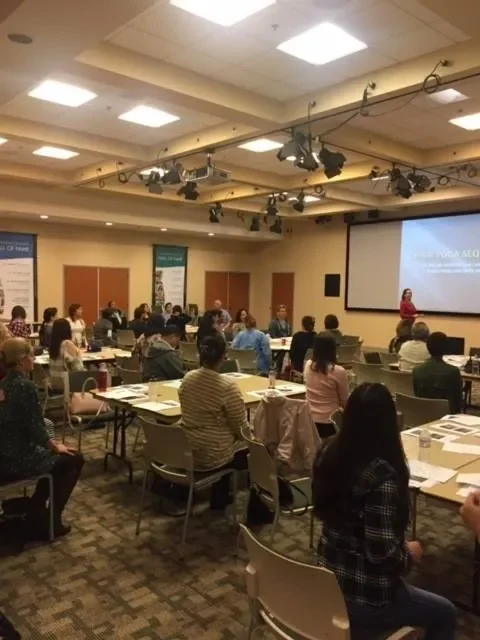
Speaking
When Being Seen Isn’t Being Known
What we edit out of conversations — and what it costs our relationships, teams, and work.
The expert who can’t say “I don’t know.” The easygoing person who doesn’t disagree. The capable one who doesn’t ask for help.
People may know us really well — and still only know part of us. We hold back the question, the different opinion, the uncertainty, the weird idea, the thing we actually need.
And it costs us.
At work, we lose candor, curiosity, and creativity. In our relationships, we can be surrounded by people who love us and still feel strangely unknown.
Drawing on more than 20 years as a speech-language pathologist, Lauren brings personal storytelling and communication expertise into conversations that are warm, practical, and immediately recognizable.
Substack
Field notes from the places where life gets interesting.
Mental Wealth is where Lauren follows ordinary moments into bigger questions.
The roles we play. The things we edit. What success can leave out. Why being seen isn’t always the same as being known. What we stop reaching for as our lives settle in.
Essays, observations, audio, and ongoing experiments in living with a little more range.
Bestselling, Multi-Award-Winning Author of
The Other Side of Bipolar • National Media Contributor • 20+ Years in Healthcare Leadership & Communication
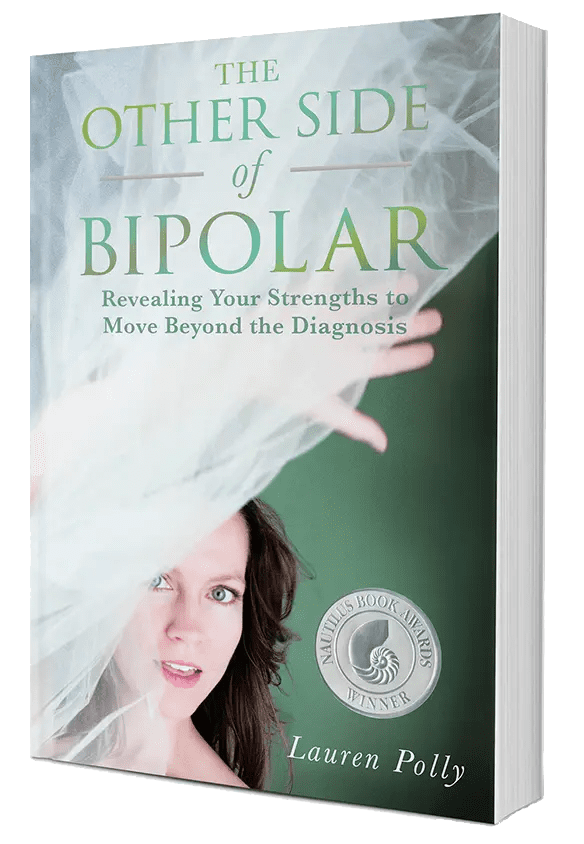
Book
What happens when a diagnosis starts shaping who you believe you can be?
Lauren received a bipolar diagnosis at fourteen.
During some of the most formative years of her life, that diagnosis shaped more than how she understood her mental health. It affected what she trusted about herself and what she believed was possible for her future.
At thirty, the diagnosis she had carried since she was fourteen was overturned.
But the beliefs she had formed while carrying it didn’t simply disappear.
That experience became the foundation of her bestselling, multi-award-winning book, The Other Side of Bipolar — and opened a question she is still exploring today:
What happens when something we’ve been told about ourselves starts deciding what we believe is possible for our lives?
Its original dedication still captures the heart of Lauren’s work:
“To those who know more is possible than what they’ve been told they can have and be.”
ABOUT LAUREN
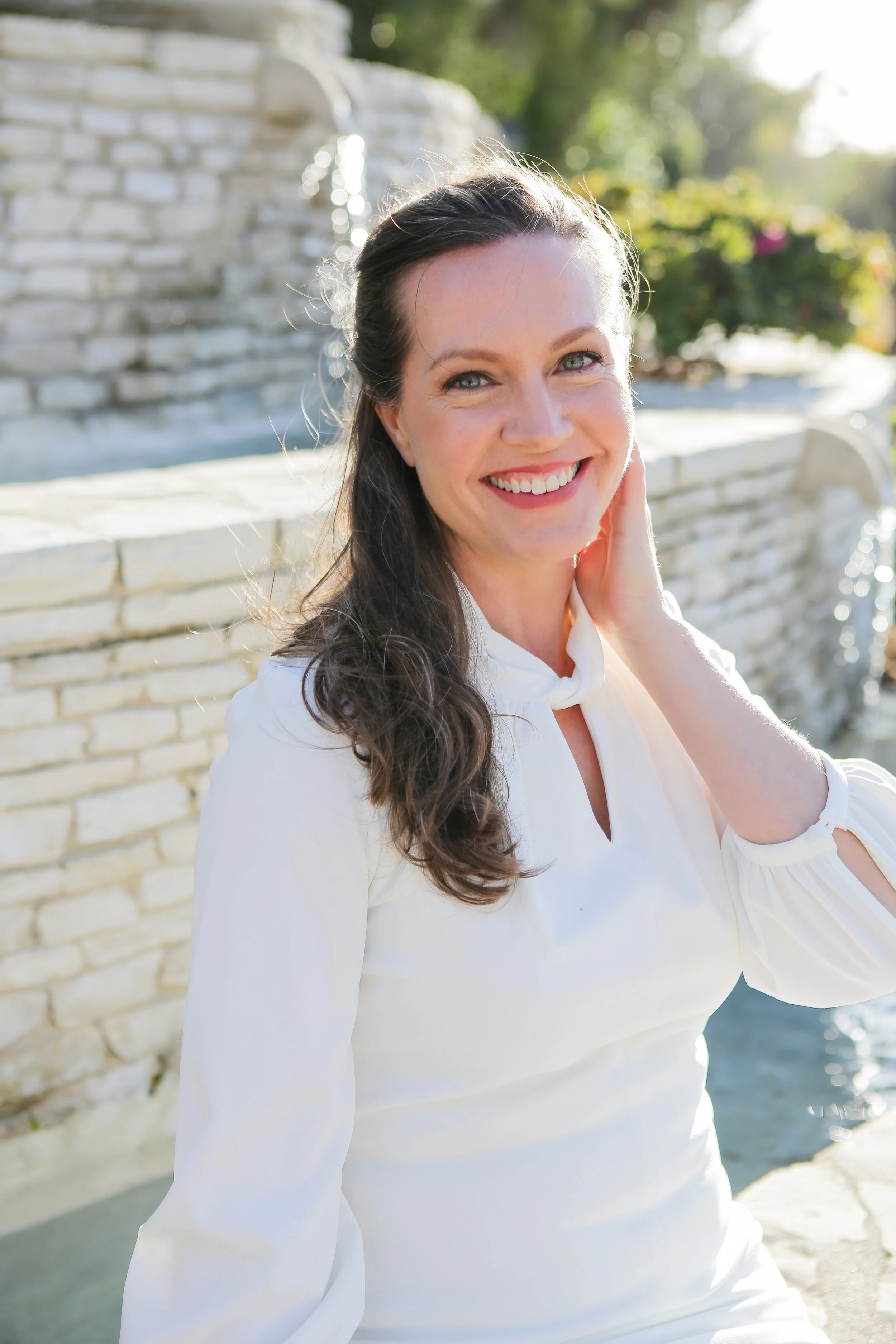
A career spent noticing how much can exist beneath what we can see.
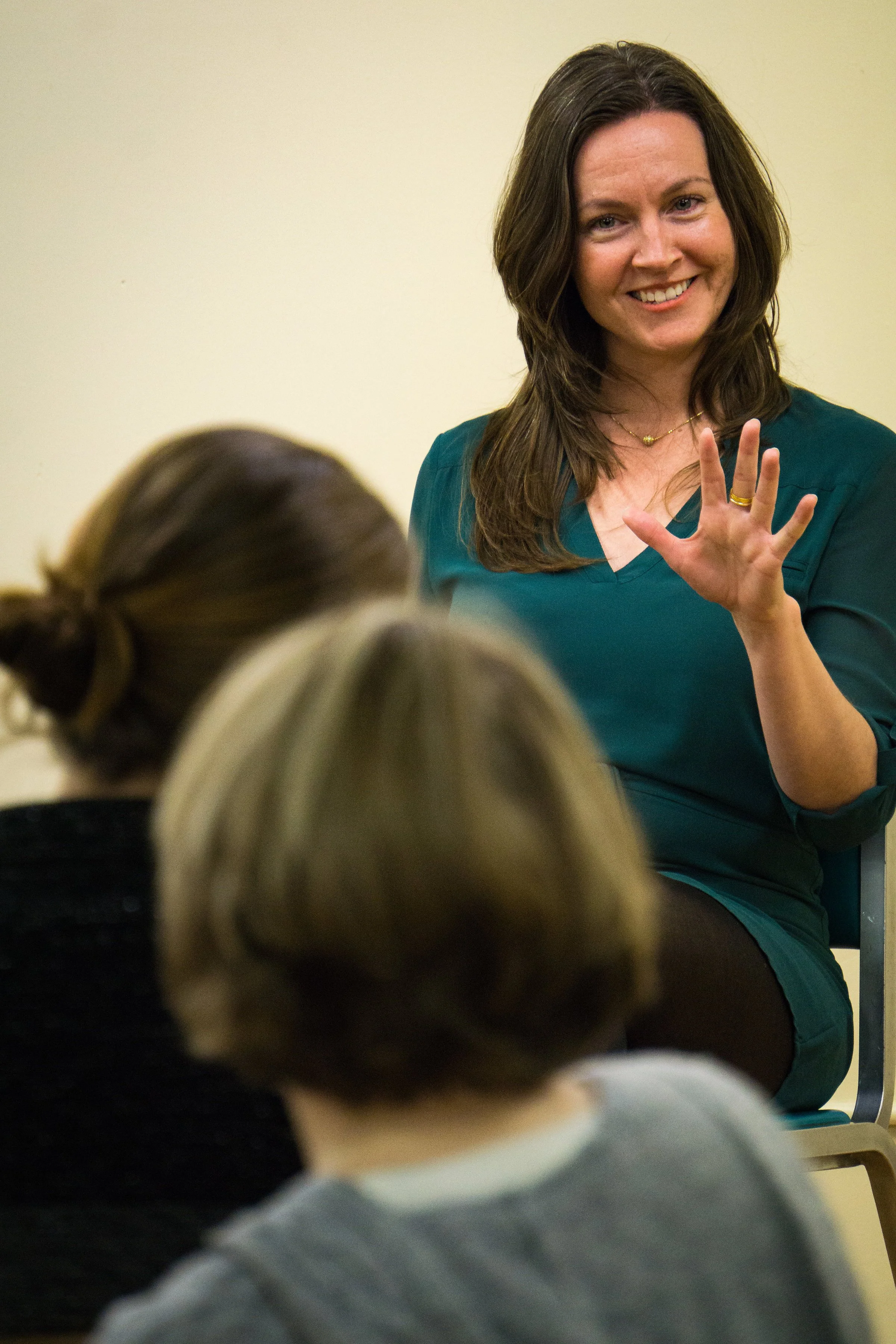
Lauren Polly, MEd., CCC-SLP, is a speaker, speech-language pathologist, healthcare leader, and bestselling, multi-award-winning author of The Other Side of Bipolar.
For more than 20 years, she has worked with communication in its most human form: the distance between what is happening inside a person and what they’re able to express outside.
Her own life gave her another version of that question.
Lauren received a bipolar diagnosis at fourteen that was later overturned. She spent some of her most formative years understanding herself through what that diagnosis seemed to say about who she was and what her future could look like.
That experience made her curious about the less obvious ways we all learn who we're supposed to be.
The roles that get rewarded, which strengths people remember us for, what we stop saying, and which parts of ourselves start to fade into the background.
Today, Lauren writes and speaks about what happens when we notice those patterns — and what can change when we give ourselves room to respond differently.